Dental Implants in Wetaskiwin

Dental implants are designed to replace missing teeth by providing a stable foundation for a new tooth or restoration. Depending on your needs, implants can be used to replace a single tooth, several teeth, or support a larger dental restoration.

What Are Dental Implants?

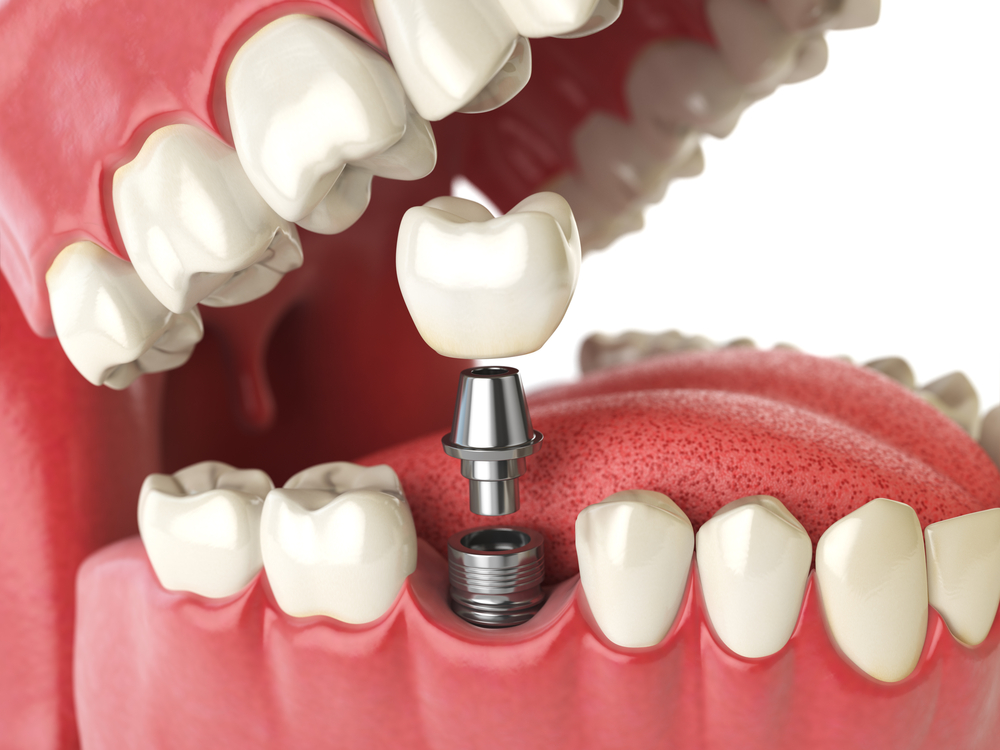
example of dental implant

A dental implant is a small post that is placed into the jawbone to replace the root portion of a missing tooth. Most dental implants are made from titanium or another biocompatible material that can integrate with the surrounding bone.

Once the implant is stable, it can support a dental restoration above the gumline. For a single missing tooth, this is typically an implant crown. Multiple implants can also be used to support a bridge or certain types of dentures.

The implant and the visible replacement tooth are separate parts of the treatment. Together, they are designed to restore the appearance and function of missing teeth without relying on a removable replacement.

What Can Dental Implants Be Used For?

Implants can be incorporated into several types of tooth replacement treatment.

Replacing a Single Tooth

A single dental implant can support a crown to replace one missing tooth. Unlike a traditional dental bridge, this approach does not normally require the neighbouring teeth to support the replacement.

Replacing Multiple Teeth

When several teeth are missing, implants may be used to support a bridge. This can replace multiple teeth without requiring an individual implant for every missing tooth.

Supporting Dentures

Dental implants can also provide additional support and stability for certain dentures. Depending on the treatment design, the denture may remain removable or be secured differently than a conventional denture.

The appropriate approach depends on how many teeth are missing, the condition of your remaining teeth, your jawbone, and your overall treatment goals.

What Is the Dental Implant Process?

Implant treatment usually takes place in stages rather than during a single appointment.

The first step is an examination of your teeth, gums, bite, and jaw. Dental imaging is used to assess the available bone and surrounding structures and to help plan the position of the implant.

The implant is then placed into the jawbone. After placement, the surrounding bone needs time to heal and integrate with the implant. This process helps create a stable foundation for the final restoration.

Once the implant is ready to support a tooth, the restorative portion of treatment can be completed. Depending on the treatment plan, an abutment connects the implant to a crown, bridge, or other restoration.

The exact sequence and timing vary from patient to patient.

Do You Need Enough Bone for a Dental Implant?

Dental implants rely on the jawbone for support, so the amount and quality of available bone are important considerations.

Bone can gradually change after a tooth has been lost. Previous gum disease, infection, trauma, and other factors can also affect the amount of bone available for implant placement.

If there is not enough bone in the planned implant area, a bone graft or another preparatory procedure may sometimes be recommended. Not everyone who receives an implant needs bone grafting.

Dental imaging allows your provider to evaluate the area and determine whether additional treatment may be necessary before or during implant placement.

Who Is a Candidate for Dental Implants?

Many adults with missing teeth can be considered for implant treatment, but suitability needs to be assessed individually.

Healthy gums and adequate bone support are important. Your general health, medications, smoking or tobacco use, history of gum disease, oral hygiene, and ability to heal can also influence treatment planning and long-term success.

Certain health conditions do not automatically rule out implants, but they may require additional consideration or coordination with your healthcare provider.

A dental implant assessment is the best way to determine whether implants are appropriate for your situation.

How Do You Care for Dental Implants?

Dental implants cannot develop cavities, but the gums and bone surrounding them still require regular care.

Plaque can accumulate around an implant restoration just as it does around natural teeth. Without adequate cleaning, inflammation can develop in the surrounding tissues and potentially affect the implant’s support.

Daily brushing, cleaning between the teeth and implants, and regular dental examinations and professional cleanings are important for maintaining implant health. Your dental team can recommend cleaning techniques based on the type of implant restoration you have.

How Long Do Dental Implants Last?

Dental implants are intended to provide a long-term tooth replacement option, but no dental treatment can be guaranteed to last for a specific number of years.

Longevity depends on factors such as oral hygiene, gum and bone health, smoking, bite forces, general health, and regular dental care.

It is also important to distinguish between the implant and the restoration attached to it. An implant may remain stable while the crown, bridge, or denture it supports eventually requires maintenance, repair, or replacement.

Dental Implants Compared With Other Tooth Replacement Options

Implants are one option for replacing missing teeth, but they are not the only option.

Dental bridges can replace missing teeth using neighbouring teeth for support, while partial or complete dentures provide removable tooth replacement. Each approach has different advantages, limitations, treatment requirements, and costs.

The best option depends on your oral health, the number and location of missing teeth, the condition of your remaining teeth and bone, and your personal priorities.

Explore Your Tooth Replacement Options

Replacing a missing tooth involves more than filling an empty space. Your dentist will consider your gums, bone, bite, remaining teeth, and long-term oral health when discussing your options.

If you are missing one or more teeth, contact our dental team to learn whether dental implants or another tooth replacement option may be appropriate for you.

FAQs About Dental Implants in Wetaskiwin

Local anesthetic is used during implant placement to numb the treatment area. Some soreness, swelling, or tenderness can occur afterward as the tissues heal. Your dental team will explain what to expect and provide appropriate aftercare instructions.

Implant treatment often takes place over several stages and may require a number of months from initial placement to the final restoration. Healing time varies depending on your individual situation, whether additional procedures are required, and how the implant integrates with the surrounding bone.

In some situations, an implant can be placed at the time of an extraction. In others, the area needs to heal before implant placement. Bone condition, infection, gum health, and the location of the tooth all influence the decision.

The implant itself and the restoration attached to it cannot develop tooth decay. However, plaque and bacteria can still affect the gums and bone surrounding an implant. Good oral hygiene and regular dental care remain important for maintaining implant health.

We strive to...

Create a welcoming environment where you feel heard, respected, and at ease throughout your visit.

Listen to your concerns, take treatment at a comfortable pace, and offer sedation options when additional support may help.

Take the time to understand your concerns, priorities, and goals before recommending treatment.

Build on more than 20 years of caring for patients from Wetaskiwin, Millet, Maskwacis, and surrounding communities.

Insurance & Billing

We want the cost of dental care to be clear and straightforward. Spring Dental follows the Alberta Dental Fee Guide, direct bills most insurance providers, and accepts the Canadian Dental Care Plan (CDCP).

Our team can help you understand your coverage, estimated treatment costs, and available payment options before treatment begins. Have questions about your insurance or CDCP coverage? Contact us and we’ll be happy to help.

Why Choose Spring Dental

Over 20 Years of Experience

Spring Dental has served Wetaskiwin and surrounding communities for more than 20 years. Led by Dr. Rahim Ali, our experienced team provides comprehensive dental care for children, adults, and seniors at every stage of their oral health.

CDCP & Direct Insurance Billing

Spring Dental accepts the Canadian Dental Care Plan (CDCP) and direct bills most insurance providers. We also follow the Alberta Dental Fee Guide and help patients understand expected costs and coverage before treatment.

Comprehensive Care in One Location

From routine cleanings and preventive care to root canals, dental implants, same-day crowns, Invisalign, sedation, and emergency dentistry, we offer a wide range of services conveniently from our Wetaskiwin dental clinic.

Hear From Our Patients

We’re grateful to the patients and families who trust Spring Dental with their care. Read what they have to say about their experiences with our team.